A Naturalized Approach For Sustainable Aqua Systems

To strengthen food sovereignty by building ecological knowledge, rights awareness, and community leadership particularly among youth and women through traditional practices, and critical engagement with policies and technologies affecting food systems.
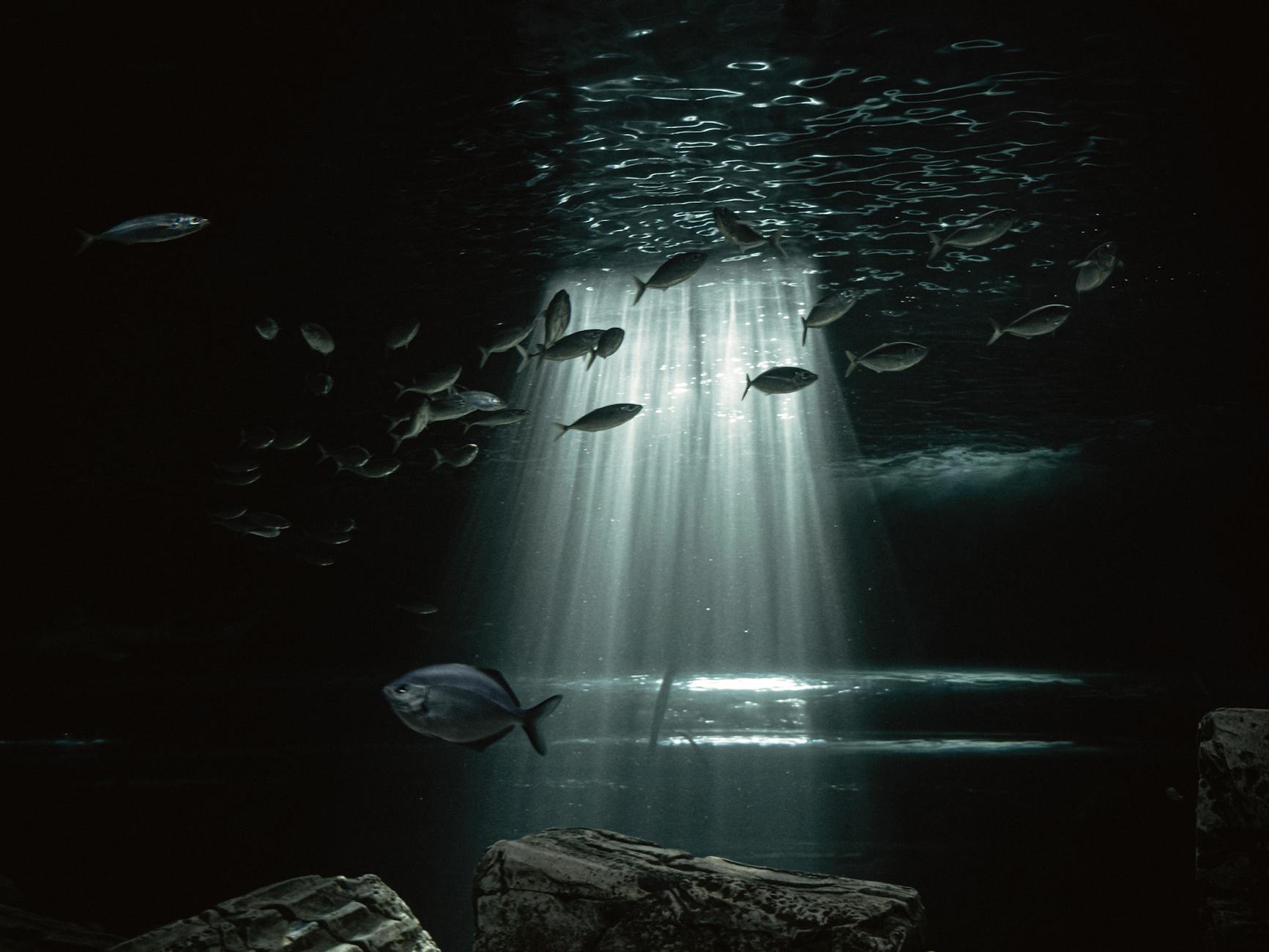
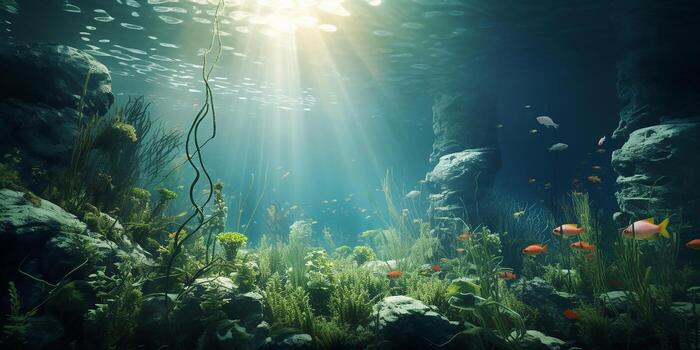
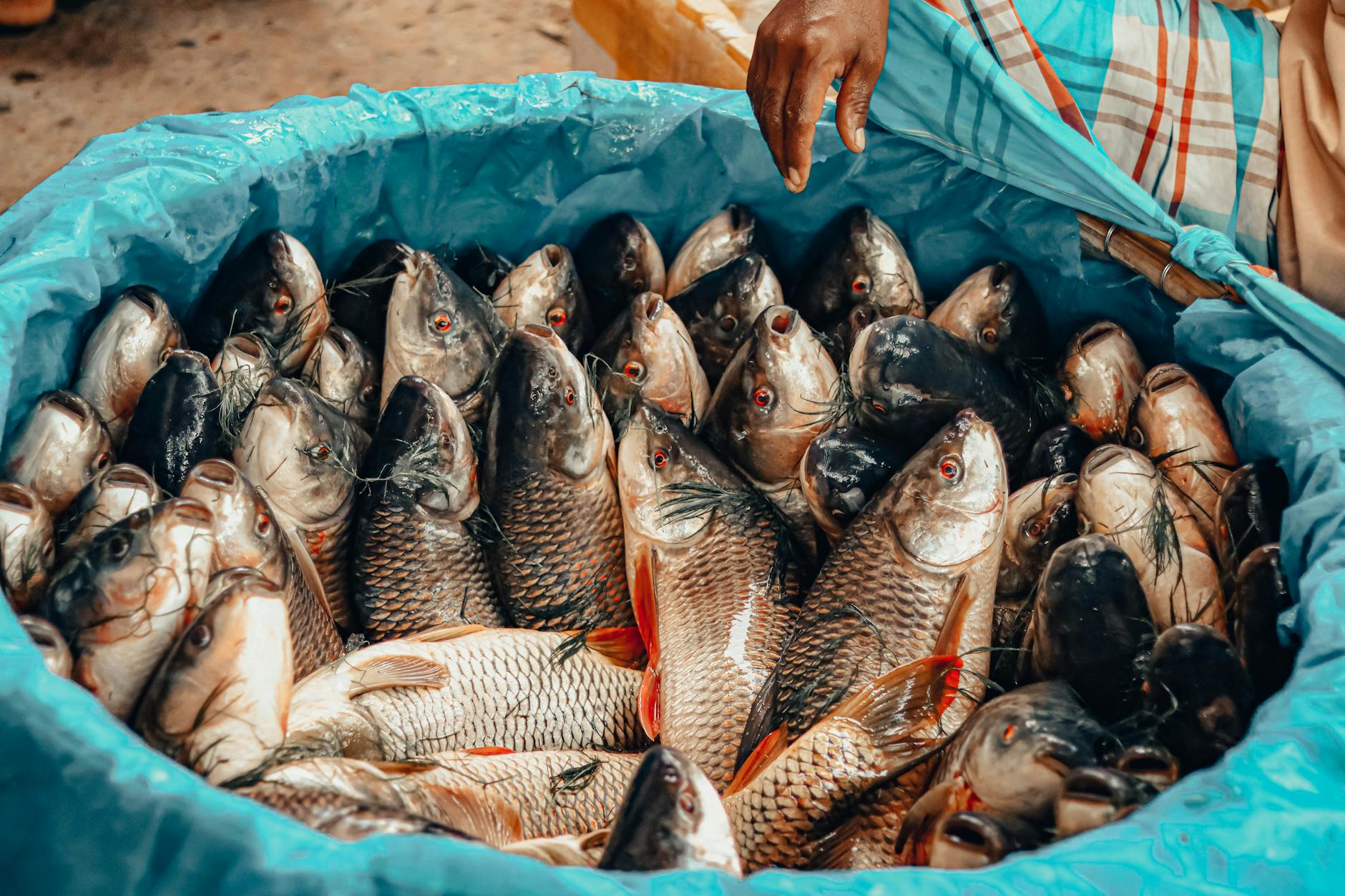
silver fish swimming in the sea

“When the well is dry, we know the worth of water.”

– Benjamin Franklin


What Aqua-ecology is all about ?

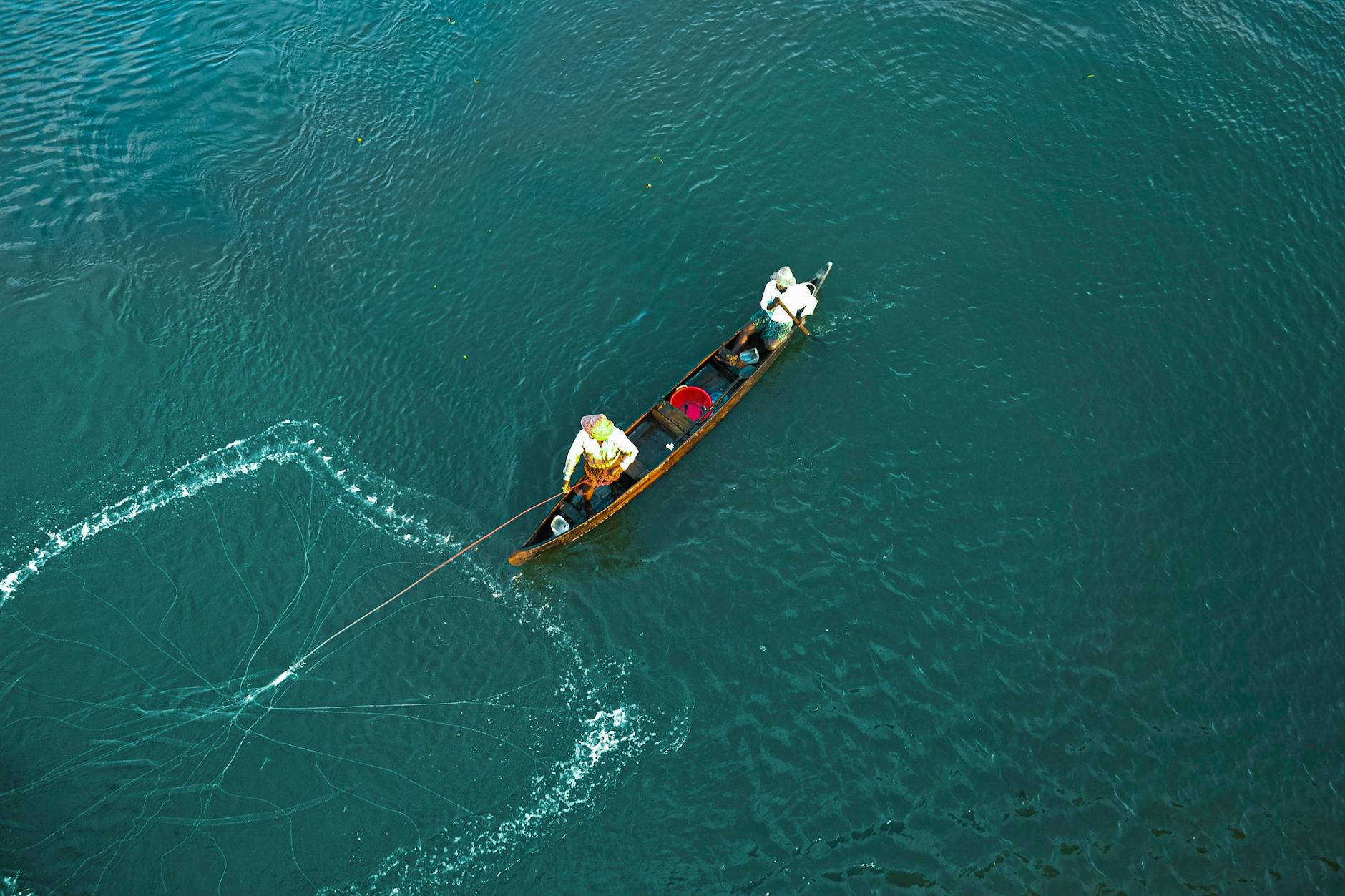
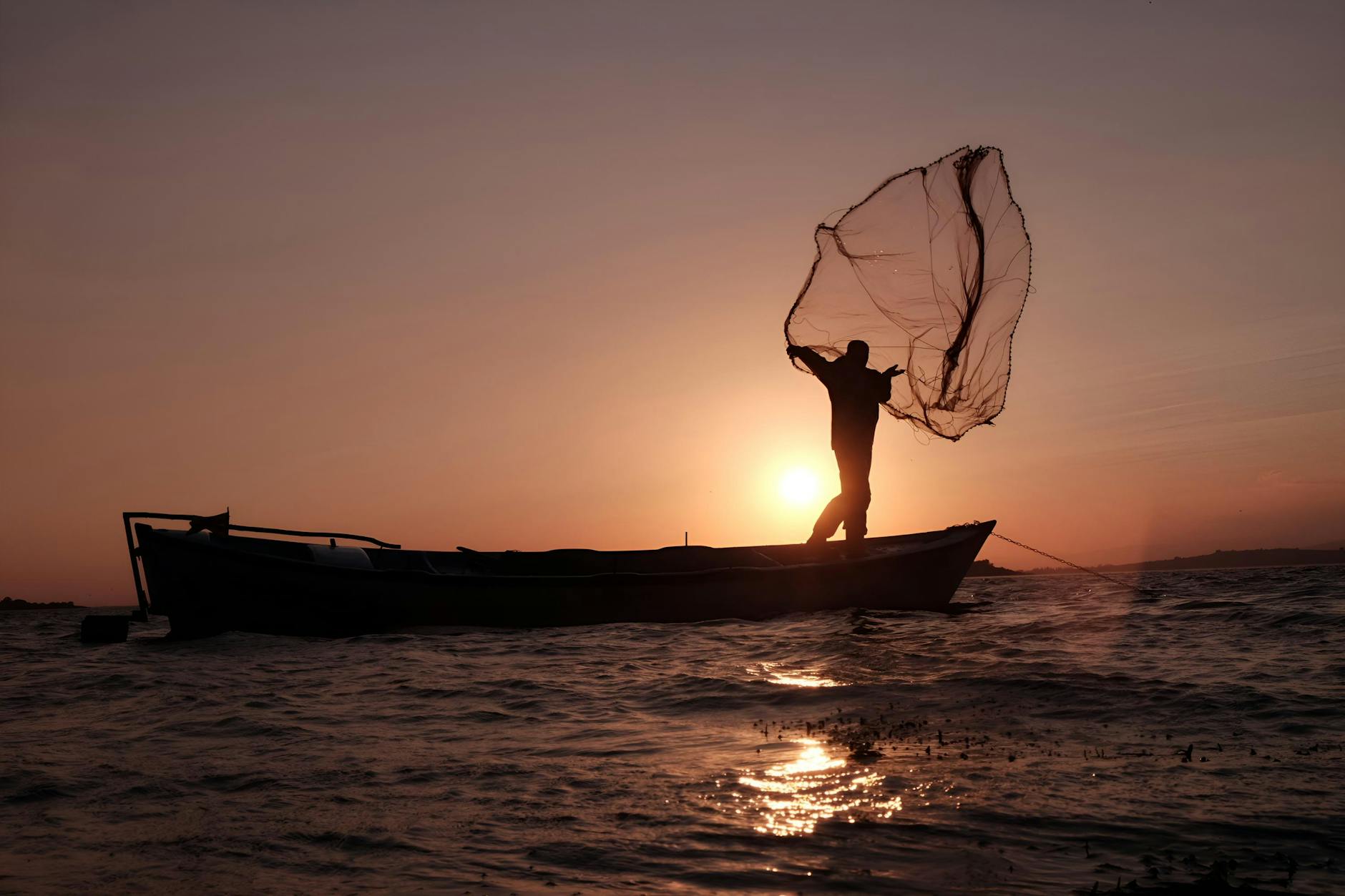
Aqua Ecology is not just a theory, but a living practice deep rooted in community knowledge and practices. We bring the natural way of life of fishing communities worldwide who are living with nature, highlighting their traditional and indigenous knowledge and practices…

key principles and values of Aqua-Ecology

1. Values food providers.

2. Focuses on food for people.

3. Localizes food systems

4. Puts locals in control

5. Building on knowledge and skills

6. Working with nature

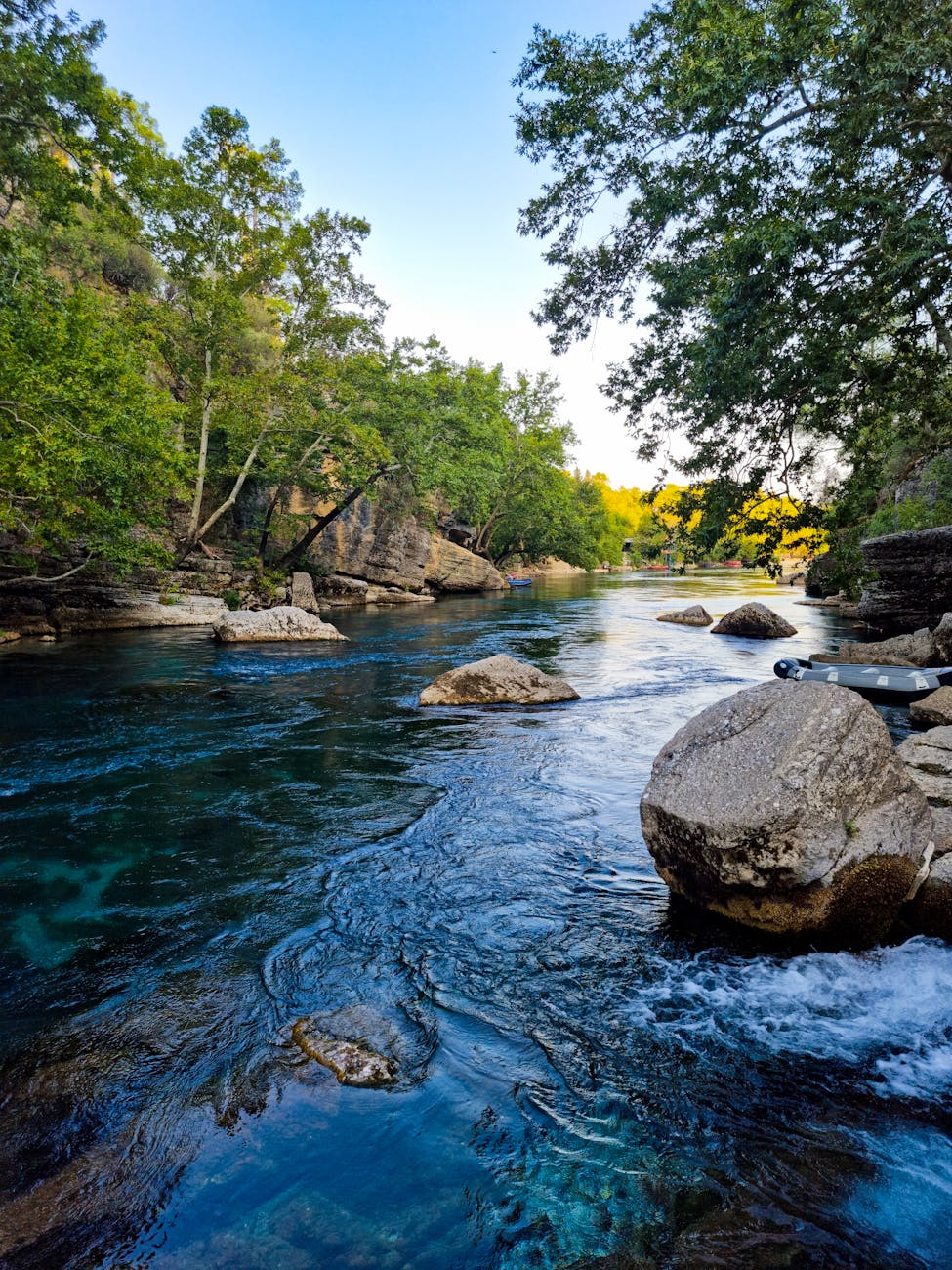
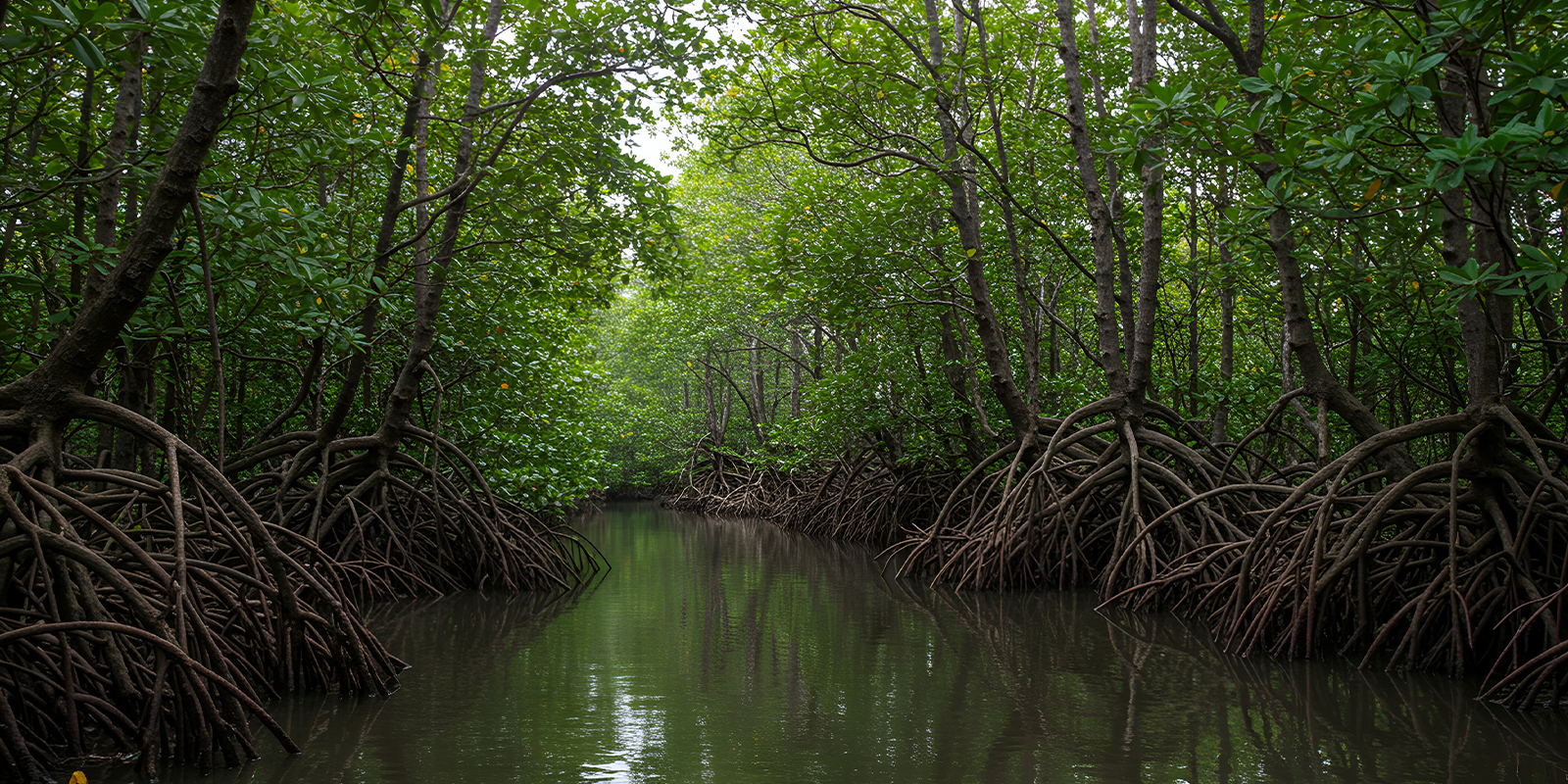
scenic view of flowing river on a forest
view of coral reef underwater

“Water is the driving force of all nature.”

Leornardo Da Vinci

World famous scientist, philosopher and Artist

Protecting Water from Pollution


Healthy aquatic ecosystems depend on clean water. Pollution threatens both ecosystems and human health.
Major sources of pollution include:
Industrial waste, clinical waste dumping and dumping nuclear waste in to water bodies,
Agricultural in agriculture sector and Aquacultural hormones, waste of feeds of shrimps, crabs, Salmon and chemicals,
Plastic and solid waste dumping, of cities,
Untreated sewage, of urban areas,
Toxic and hazardous substances,
The curriculum promotes a clear principle

No Pure Water = No Clean and Nutritious Food

“NO CLEAN WATER : NO HEALTHY & NUTRITIOUS AQUATIC FOOD”

Protecting water bodies is therefore a fundamental requirement for food sovereignty within AquaEcology principles and the practice.

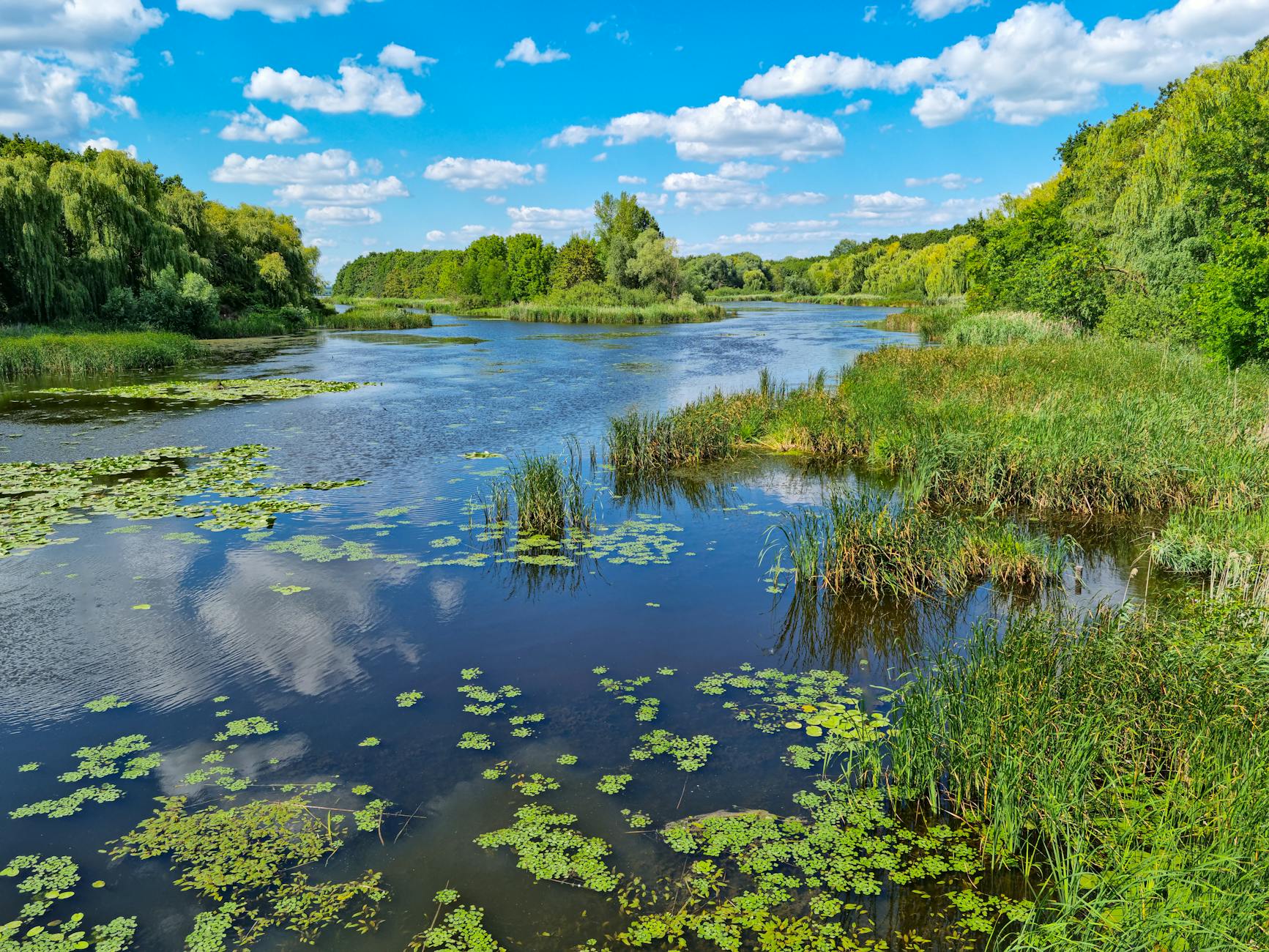
lake in summer nature near green forest

In Sri Lanka, many of our ecosystems were traditionally managed as commons shared spaces where communities collectively decided how to use and protect natural resources. Tanks, lagoons, coastal waters, forests, and grazing lands were not treated as private commodities. They were understood and primarily practiced as shared responsibilities

Today, these commons are increasingly under pressure from privatization, large scale development projects (Sri Lanka, Indonesia), industrial fishing, (Thailand) infra structure development, (India) port city constructions, (Sri Lanka) reclamations, (Indonesia, Philippines) tourism expansion, (Sri Lanka, Thailand) Industrial Aquaculture(Ecuador, Indonesia, Thailand) and policy decisions made far from the communities (Sri Lanka) who depend on these ecosystems. Strengthening commons governance is therefore essential for realization of food sovereignty.

Ocean Encroachment: A Growing Threat to Our Coasts and Ecosystems

Rising sea levels and intensifying storms are driving ocean encroachment — the steady inland advance of seawater — at an alarming rate. This silent crisis erodes beaches, floods low-lying communities, and salinizes freshwater aquifers and farmland, threatening food security and drinking water for millions. Critical habitats like mangroves, salt marshes, and coral reefs are being lost, endangering marine biodiversity and the natural barriers that protect coastlines from storms.

Without proper conservation, restoration, and climate solutions, the ocean’s advance will reshape our world — and not for the better. Join us in protecting our blue planet before it’s too late

Oysters and other shellfish as Nature’s Water Filters

Oysters are highly efficient “biological filters”. A single adult oyster can filter up to 50 gallons (nearly 190 liters) of water per day. They draw water in through their gills using tiny hair-like structures called cilia. As the water passes over the gills, the oyster traps plankton, algae, bacteria, sediments, and even certain pollutants (like nitrogen and heavy metals) in a mucus layer. It then either consumes the nutritious particles or expels the rest as small clumps called pseudofeces, which settle to the bottom.

This process dramatically improves water clarity and quality by:

  • Removing excess nutrients that fuel harmful algal blooms.
  • Reducing turbidity (cloudiness) so sunlight can reach underwater plants like seagrass.
  • Lowering levels of harmful bacteria and some contaminants.

How to protect Aquatic Ecosystems

Aqua Ecology requires the protection and restoration of the full range of aquatic ecosystems that sustain fisheries and food systems in Sri Lanka and the globe.

These includes:

Mangrove forests that serve as breeding and nursery grounds for fish,

Coral reefs that support marine biodiversity,

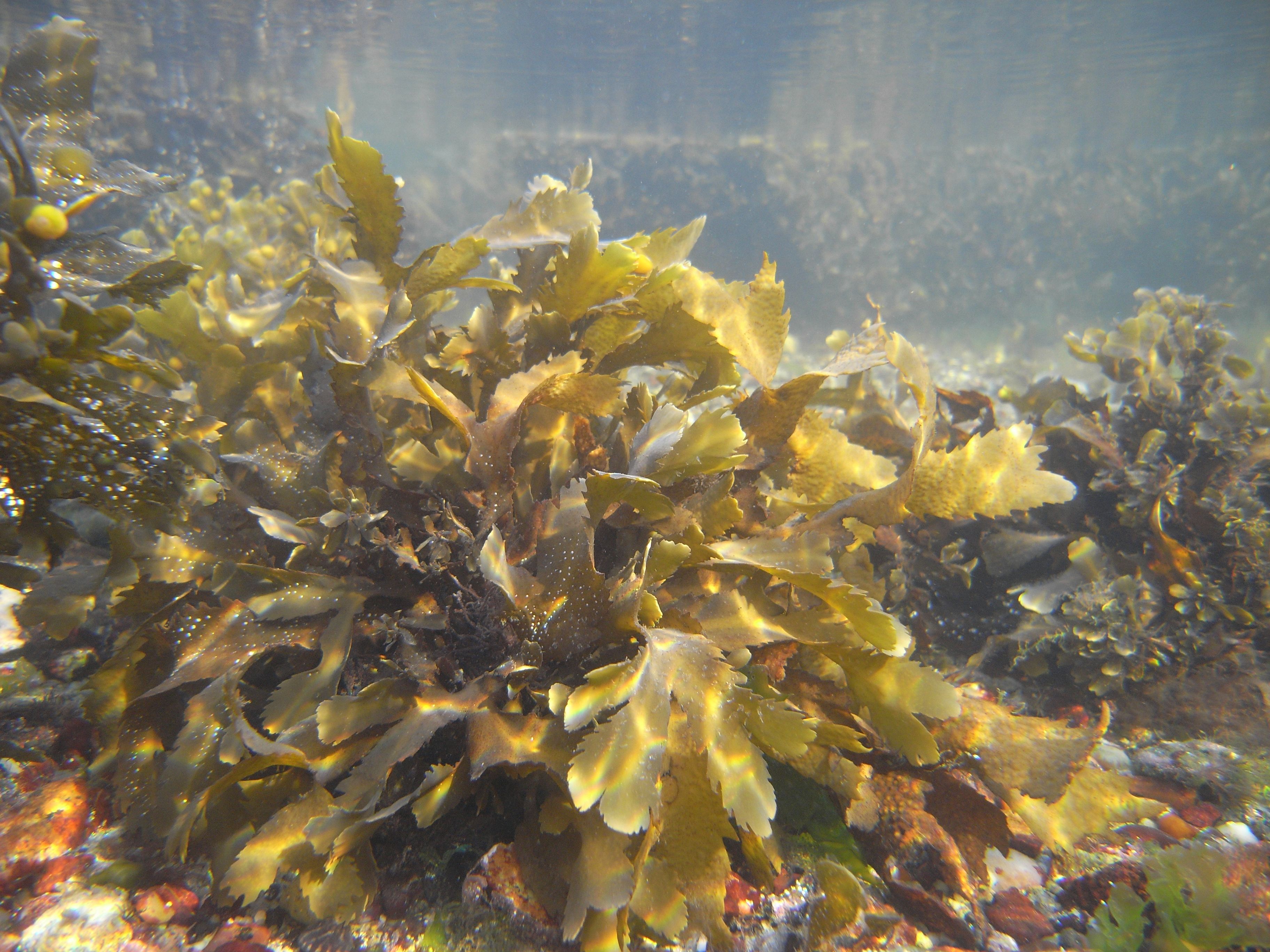
Seagrass beds and seaweed ecosystems that stabilize coastal environments,

Rivers, wetlands, lagoons, and estuaries that connect inland and coastal ecosystems,

Water catchment areas that sustain freshwater eco- systems,

Traditional tank cascade systems that preserve inland water bodies in Sri Lankan inland fisheries sector,

Protecting these ecosystems ensures the continuity of “sustainable food production”, “biodiversity”, and “climate resilience”. It also recognizes that aquatic ecosystems must exist in harmony with surrounding landscapes including forests, grazing lands, agricultural fields, and habitats for birds and wildlife

Blog posts

“Anyone who can solve the problems of water will be worthy of two Nobel prizes – one for peace and one for science.”

John F Kennedy