
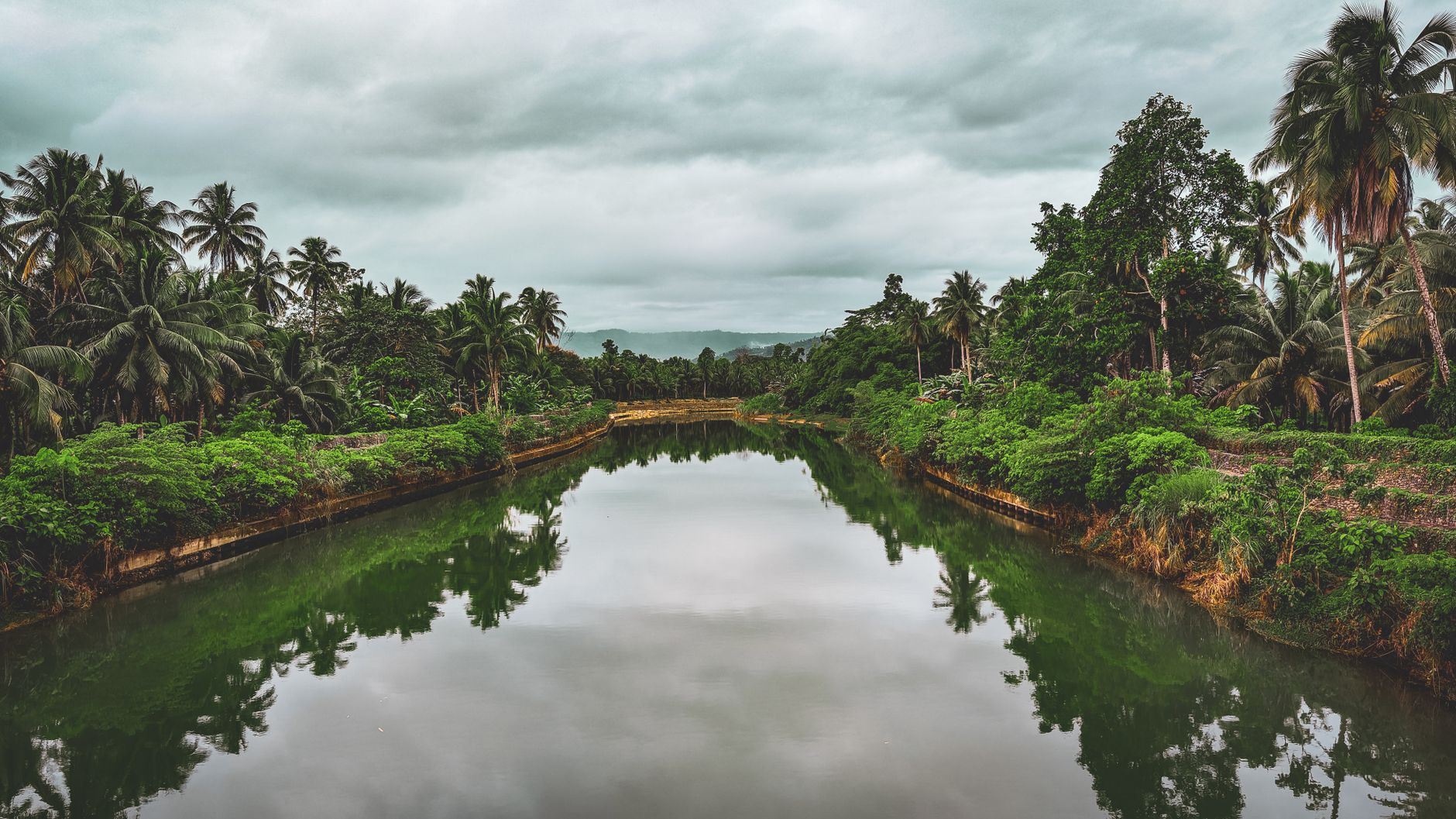

Welcome to the dedicated Aqua Systems section of Aqua-ecology.com, your premier resource for understanding the profound interconnectedness of water-based environments with the health of our entire planet. Here, we explore the vital importance of natural aqua systems — from vast oceans and coral reefs to rivers, lakes, wetlands, estuaries, and mangrove forests — and illuminate exactly how these dynamic ecosystems maintain the delicate equilibrium that supports biodiversity, regulates climate, purifies water, and sustains life on Earth.
Natural aqua systems are not merely bodies of water; they are complex, self-regulating living networks where physical, chemical, and biological processes interact in intricate harmony. These systems cover over 70% of our planet’s surface and form the foundation of the global water cycle, the carbon cycle, and countless food webs that ultimately feed humanity and countless other species. Their health is inseparable from the stability of terrestrial ecosystems, the atmosphere, and human well-being. When aqua systems thrive, they create resilience against climate change, natural disasters, and pollution. When they are degraded, the ripple effects destabilize the entire biosphere.
Types of Natural Aqua Systems
Natural aqua systems are broadly divided into freshwater (lakes, rivers, ponds, streams, and wetlands) and marine (oceans, seas, coral reefs, estuaries, and coastal zones), with transitional zones like estuaries and mangroves serving as critical bridges between land and sea. Each type plays unique yet overlapping roles in ecological balance. Freshwater systems often act as the “kidneys” of landscapes, filtering water and regulating flows, while marine systems drive global processes like oxygen production and carbon storage on an immense scale. Coastal wetlands and mangroves exemplify nature’s genius in merging these realms, providing nursery habitats, storm buffers, and unparalleled carbon sinks.
The Vital Importance of Natural Aqua Systems
Biodiversity Hotspots and Habitat Provision Natural aqua systems are among the most biodiverse environments on Earth. Coral reefs, often called the “rainforests of the sea,” support approximately 25% of all marine species despite covering less than 1% of the ocean floor. Estuaries and wetlands serve as critical nurseries for fish, shellfish, birds, and amphibians, hosting migratory species and providing breeding, feeding, and shelter grounds. These habitats foster complex communities where every species, from microscopic plankton to apex predators, contributes to stability. Loss of even a single keystone species or habitat type can trigger cascading extinctions and collapse of food webs.
Climate Regulation and Blue Carbon Sequestration Aqua systems are powerful allies in the fight against climate change. Coastal “blue carbon” ecosystems — mangroves, seagrass meadows, and salt marshes — sequester and store carbon at rates up to ten times higher per hectare than mature tropical forests. Mangroves, in particular, bury vast amounts of carbon in their waterlogged, oxygen-poor sediments, where decomposition is extremely slow. The world’s largest mangrove forest, the Sundarbans in India and Bangladesh, exemplifies this: it acts as a massive carbon sink, supports iconic biodiversity including the Bengal tiger, and protects millions of people from cyclones and erosion through its dense root systems.
Phytoplankton in oceans and lakes perform photosynthesis on a planetary scale, removing enormous quantities of atmospheric CO₂ while releasing oxygen. These microscopic organisms are responsible for producing about half of the Earth’s oxygen and form the base of marine food webs that support whales, fish, and ultimately human fisheries.
Water Purification, Flood Control, and Hydrological Balance Wetlands, floodplains, and riparian zones function as natural water treatment plants. They trap sediments, filter pollutants and excess nutrients (such as nitrogen and phosphorus from agricultural runoff), and absorb heavy metals. This purification capacity protects downstream drinking water supplies, lakes, and coastal zones from eutrophication and dead zones.
These same systems regulate water flows: they absorb excess rainfall during storms, reducing flood peaks, and slowly release stored water during droughts. Mangroves and coastal wetlands dissipate wave energy and storm surges, acting as living breakwaters. Healthy coral reefs can absorb up to 97% of incoming wave energy, protecting shorelines, infrastructure, and human lives from erosion and extreme weather. Estuaries, where rivers meet the sea, further enhance this balance by mixing fresh and saltwater, creating unique salinity gradients that support highly productive and diverse communities while filtering land-derived pollutants before they reach the open ocean.
Oxygen Production, Atmospheric Health, and Global Cycles Beyond carbon, aqua systems drive the oxygen cycle and global biogeochemical processes. Phytoplankton blooms not only produce oxygen but also influence cloud formation and regional climate patterns through dimethyl sulfide emissions. The constant exchange of gases, nutrients, and energy between water, atmosphere, and land maintains atmospheric composition suitable for life.
Food Security, Economic Value, and Human Well-Being Billions of people depend directly on aqua systems for protein-rich food. Estuaries and coastal wetlands are essential nurseries for most commercial fish and shellfish species caught worldwide. Healthy fisheries support livelihoods, food security, and economies worth hundreds of billions annually. Tourism, recreation, and cultural values tied to pristine lakes, coral reefs, and rivers further amplify their importance. These systems also provide medicines, raw materials, and inspiration for science and art.
How Natural Aqua Systems Maintain Ecological Balance
The true magic of aqua systems lies in their self-sustaining mechanisms that prevent any single component from dominating and ensure long-term stability.
Intricate Food Webs and Trophic Dynamics At the foundation are primary producers — phytoplankton, algae, and aquatic plants — that convert sunlight and nutrients into biomass. This energy flows upward through herbivores (zooplankton, snails, herbivorous fish) to carnivores and apex predators (sharks, large fish, birds, mammals). Predator-prey relationships create dynamic balance: top predators control mesopredator populations, preventing overconsumption of herbivores that would otherwise decimate producers. This “trophic cascade” maintains plant biomass, water clarity, and overall productivity. Removal of apex predators often leads to mesopredator release, herbivore booms, and ecosystem degradation — a clear demonstration of nature’s interconnected checks and balances.
Nutrient Cycling and Biogeochemical Feedback Loops Nutrients like nitrogen and phosphorus are finite and must be recycled continuously. Animals play a starring role: fish and invertebrates excrete ammonia and other compounds that become immediately available to phytoplankton and plants. Decomposers (bacteria and fungi) break down dead organic matter in sediments and the water column, releasing nutrients back into the system. In wetlands and mangroves, anaerobic conditions slow decomposition, locking carbon away while still allowing efficient nutrient recycling. Nutrient cycling can supply over 50% of the nutrients supporting food webs in many systems, creating stabilizing feedback loops that link every trophic level back to primary producers.
Symbiosis, Habitat Engineering, and Biodiversity Interactions Mutualistic relationships abound — from coral polyps hosting photosynthetic zooxanthellae (providing energy in nutrient-poor waters) to cleaner fish removing parasites from larger species. Habitat engineers like beavers (in freshwater), oysters (creating reefs), and mangroves (stabilizing sediments) physically shape environments, increasing complexity and niches for other species. High biodiversity itself promotes stability: functional redundancy means if one species declines, others can perform similar roles, enhancing resilience to disturbances.
Habitat Connectivity, Migration, and Landscape-Scale Balance Aqua systems rarely exist in isolation. Rivers connect mountains to seas, transporting nutrients and organisms. Salmon runs deliver marine-derived nutrients deep into forests. Estuaries link freshwater and marine realms, serving as critical migration corridors and nurseries. Wetlands act as stepping stones for migratory birds. This connectivity allows populations to recover from local disturbances and maintains genetic diversity across broader landscapes.
Resilience, Self-Regulation, and Adaptation Natural aqua systems exhibit remarkable self-regulation. Intraspecific competition (territoriality, disease) prevents any one population from exploding. Diverse physical structures (varying depths, flows, vegetation) create microhabitats that buffer against temperature swings or pollution pulses. Biodiversity enhances overall resilience — more species and genetic variation increase the likelihood that some will thrive under changing conditions.
The Interconnected Web: Aqua Systems and the Broader Biosphere
Aqua systems do not stand alone. Riparian vegetation stabilizes riverbanks and shades water to regulate temperature. Floodplain forests benefit from nutrient-rich sediments deposited during floods. Coastal mangroves trap terrestrial sediments, protecting coral reefs from smothering. In turn, healthy oceans influence rainfall patterns and global climate that sustain forests and agriculture. Disruptions in one realm — such as deforestation increasing sediment loads in rivers — quickly affect downstream aqua systems and the services they provide.
Our Shared Responsibility
At Aqua-ecology.com, we believe that knowledge is the first step toward stewardship. Natural aqua systems have maintained Earth’s balance for billions of years through elegant, time-tested processes. Today, they face unprecedented pressures, yet their inherent resilience offers hope. By protecting and restoring wetlands, mangroves, coral reefs, and free-flowing rivers, we invest in the very systems that purify our water, stabilize our climate, feed our populations, and buffer our communities from disasters.
Explore our other sections on freshwater ecology, marine biodiversity, restoration science, and citizen science initiatives. Together, we can ensure these magnificent aqua systems continue to thrive — for the benefit of all life on Earth, today and for generations to come.
Protect. Understand. Restore. The balance of our planet depends on it.