
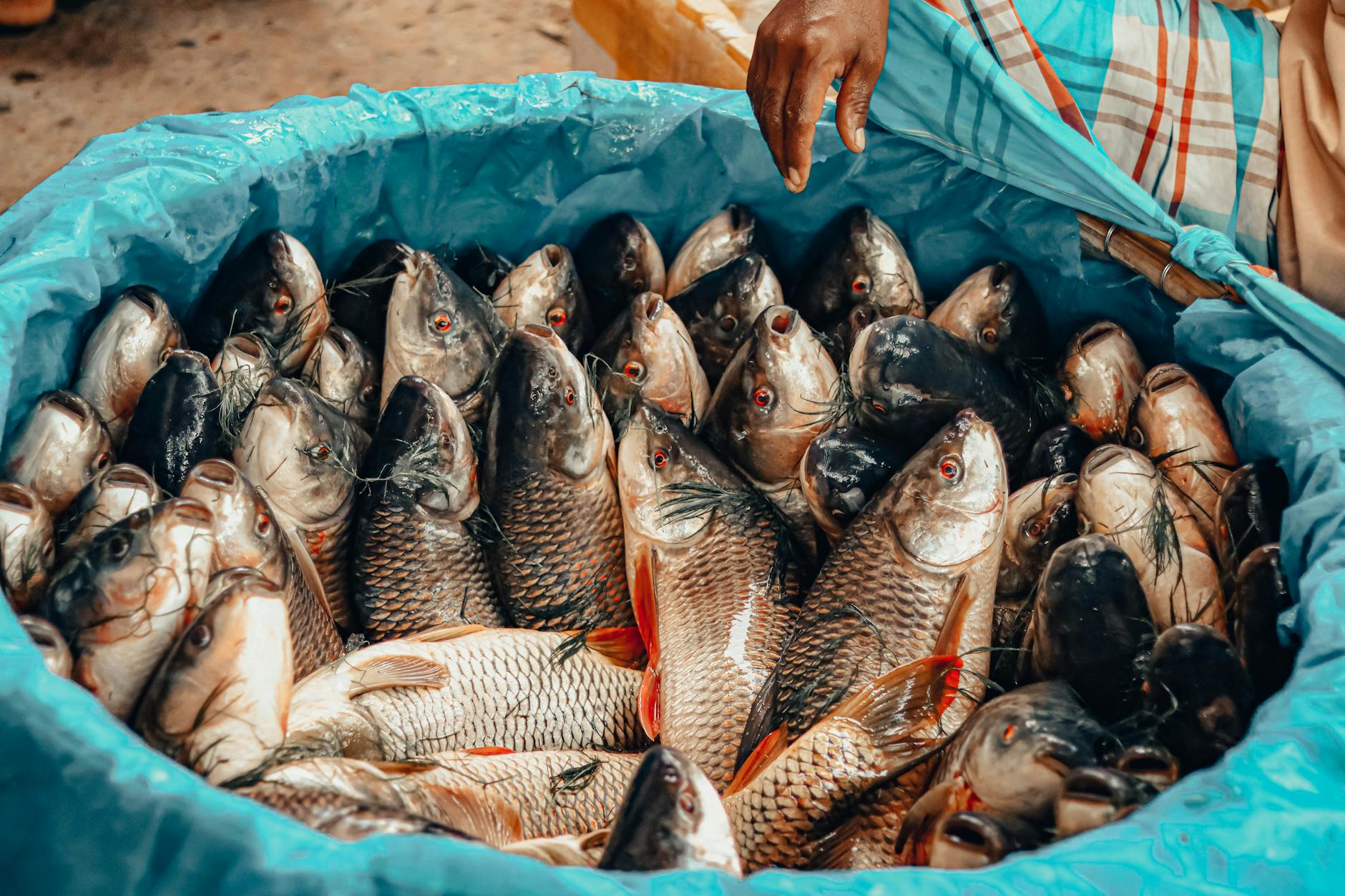

Sustainable fish harvest ensures that fish populations, marine and freshwater ecosystems, and the communities that depend on them remain healthy for generations. At Aqua-ecology.com, we focus on the intersection of aquaculture and ecological stewardship—balancing productive fish farming and responsible wild harvest with environmental protection. Overfishing, habitat destruction, pollution, and climate change threaten global fish stocks, but proven science-based practices can reverse these trends while supporting food security and economic growth.
Sustainable harvest means taking only what the ecosystem can replenish. It protects biodiversity, minimizes bycatch and habitat damage, and ensures social and economic benefits for fishers and farmers.
Core Principles of Sustainable Fish Harvest
Effective sustainable management rests on three pillars:
- Science-based limits — Harvest at or below maximum sustainable yield (MSY) or use precautionary harvest control rules that automatically reduce catches when stocks decline.
- Ecosystem protection — Adopt ecosystem-based fisheries management (EBFM), which considers interactions among species, habitats, and human activities rather than managing one species in isolation.
- Social responsibility — Support livelihoods, especially small-scale fishers and aquaculture farmers, while promoting equitable access and gender equality (as emphasized in FAO guidelines).
These principles align with the FAO Code of Conduct for Responsible Fisheries and recent Guidelines for Sustainable Aquaculture.
Sustainable Practices in Wild-Capture Fisheries
Wild fisheries still supply a large portion of global seafood. Key methods to make harvest sustainable include:
- Quotas and harvest strategies — Pre-agreed frameworks set catch limits using the best available data on stock size, reproduction, and environmental factors. Real-time monitoring triggers automatic adjustments.
- Selective fishing gear — Use larger mesh sizes in nets, turtle excluder devices, and circle hooks to reduce bycatch of juveniles, non-target species, and endangered animals. Avoid destructive methods like bottom trawling in sensitive habitats.
- Spatial and temporal protections — Establish marine protected areas (MPAs), seasonal spawning closures, and no-take zones. Traditional indigenous practices—such as lunar/tidal-based harvesting and reef protection—offer valuable models.
- Monitoring and enforcement — Satellite tracking, vessel monitoring systems (VMS), and traceability reduce illegal, unreported, and unregulated (IUU) fishing.
Ecosystem-based fisheries management (EBFM) integrates these tools for holistic outcomes.
Sustainable Aquaculture: Farming Fish Responsibly
Aquaculture reduces pressure on wild stocks when done correctly. Aqua-ecology-focused operations, prioritize these best practices:
- Site selection and carrying capacity — Choose locations with good water exchange and minimal ecological sensitivity. Assess the waterbody’s ability to absorb nutrients and waste before scaling production.
- Recirculating Aquaculture Systems (RAS) and closed systems — These recycle water, dramatically reducing effluent discharge and disease risk while using less water overall.
- Integrated Multi-Trophic Aquaculture (IMTA) — Combine fed species (e.g., fish) with extractive species (seaweed, bivalves) that naturally clean the water.
- Energy and climate resilience — Power operations with renewables and plan for climate impacts such as rising temperatures or extreme weather.
FAO-endorsed Guidelines for Sustainable Aquaculture emphasize governance, resource management, social equity, and value chains to make these practices scalable.
Challenges and Practical Solutions
Common obstacles include enforcement gaps in developing regions, high initial costs for RAS or selective gear, and climate-driven stock shifts. Solutions involve:
- Policy coherence and stakeholder collaboration (government, industry, NGOs, communities).
- Capacity building and extension services for small-scale operators.
- Investment in science, remote sensing for farm mapping, and innovative technologies like AI for water-quality monitoring.
- Consumer awareness campaigns that reward sustainable choices.
Benefits of Sustainable Fish Harvest
Adopting these practices delivers healthier oceans, lagoons and inland aqua systems, stable fish supplies, reduced greenhouse gas emissions (seafood is one of the most efficient proteins), and resilient livelihoods. In regions like Sri Lanka and other tropical aqua-ecological hotspots, sustainable approaches can enhance mangrove protection, biodiversity, and tourism alongside aquaculture.
Call to Action for Aqua-Ecologists and Practitioners
Whether you manage a small pond farm, operate a commercial aquaculture facility, or fish commercially, every action counts. Start by assessing your current practices against FAO or national guidelines. Invest in monitoring, adopt selective methods, and engage with certification programs. Consumers can support change by choosing certified sustainable seafood and asking questions about sourcing.
At Aqua-ecology.com, we are committed to sharing knowledge, case studies, and practical guides that bridge science and real-world application. Explore our resources on responsible aquaculture, aqua system restoration, and sustainable fish harvest strategies. Together, we can ensure abundant, healthy fish for today and tomorrow.
Leave a Reply